
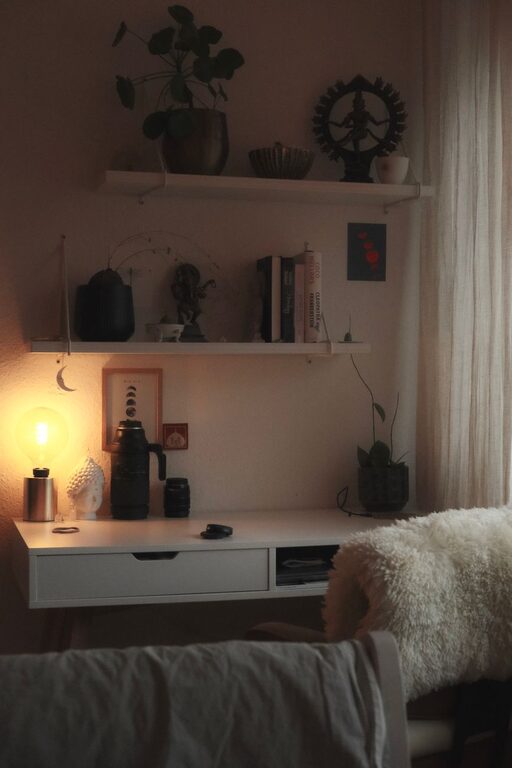
Working from home offers flexibility and comfort, but it also brings challenges—especially when your workspace feels cluttered or stressful. Creating a relaxing home workspace is essential to maintaining productivity, focus, and overall well-being. Whether you have a dedicated room or just a small corner, making it a calming and inviting environment can help you feel more motivated and less overwhelmed.
In this post, we’ll explore useful tips and ideas to transform your home workspace into a soothing place that supports your work and helps you stay balanced.
1. Choose the Right Location
The foundation of a relaxing workspace is its location. Whenever possible, select a spot that feels peaceful and is separate from distractions like TV or noisy areas.
– Natural light is key: Try to position your desk near a window. Natural light improves mood and reduces eye strain.
– Quiet corners work best: Avoid spaces with high foot traffic or household noise.
– Consider your needs: If you have meetings or video calls, pick a spot with a tidy, neutral background.
2. Declutter and Organize
A messy workspace can cause stress and make it hard to focus. Prioritize a clutter-free desk and organized surroundings.
– Keep only essentials on your desk: Limit your workspace to items you use daily, such as your computer, notepad, and a pen.
– Use storage solutions: Shelves, drawers, and desk organizers help keep paperwork and supplies out of sight but within reach.
– Regularly tidy up: Spend a few minutes at the end of each day putting things back in place.
3. Invest in Comfortable and Ergonomic Furniture
Being physically comfortable helps reduce tension and fatigue, making it easier to stay calm and focused.
– Choose a supportive chair: An ergonomic office chair with adjustable height and lumbar support can prevent back pain.
– Position your desk properly: Your desk and chair height should allow your arms to rest comfortably at a 90-degree angle while typing.
– Add footrests or cushions: If needed, these can improve posture and comfort.
4. Personalize Your Space
Adding personal touches makes your workspace welcoming and inspiring without distracting from your work.
– Incorporate calming colors: Soft blues, greens, or neutral tones create a peaceful atmosphere.
– Display meaningful items: A few photos, artwork, or mementos can boost your mood.
– Bring in plants: Indoor plants improve air quality and add a calming touch of nature.
5. Optimize Lighting for Relaxation and Function
Lighting plays a vital role in maintaining a relaxed yet productive environment.
– Use layered lighting: Combine natural light, overhead lights, and desk lamps to reduce shadows and eye strain.
– Choose adjustable lamps: This lets you control brightness depending on the task.
– Avoid harsh fluorescent lights: Soft white or warm light bulbs create a more soothing ambiance.
6. Minimize Noise and Distractions
Noise can be a major distraction and stressor. Taking steps to reduce or mask distracting sounds helps you focus better.
– Use noise-canceling headphones: These can block background noises efficiently.
– Play soft background music: Instrumental or nature sounds can create a peaceful environment without interfering with concentration.
– Close doors and windows: This helps reduce outside noise if possible.
7. Incorporate Mindfulness and Break Areas
Your workspace should encourage regular breaks and a moment to reset your mind.
– Create a small relaxation corner: A comfortable chair or cushion spot where you can stretch, meditate, or breathe deeply.
– Use reminders: Set timers to stand up, stretch, or practice short mindfulness exercises.
– Keep water and healthy snacks handy: Staying hydrated and nourished supports well-being.
8. Keep Technology Organized and Minimal
Technology is essential but can add clutter and stress if unmanaged.
– Hide cables: Use cable organizers or clips to keep wires neat.
– Turn off non-essential notifications: Reducing digital distractions helps maintain a calm focus.
– Use minimal desktop icons: Keep your computer screen clean to avoid overwhelm.
—
Creating a relaxing home workspace is about balance—combining functionality with comfort and peace. By choosing the right location, decluttering, adding personal touches, and managing light and noise, you set the stage for productive, calm workdays.
Start small and adjust your workspace over time to suit your needs. With a little planning and care, your home office can become a place you look forward to spending time in every day.