
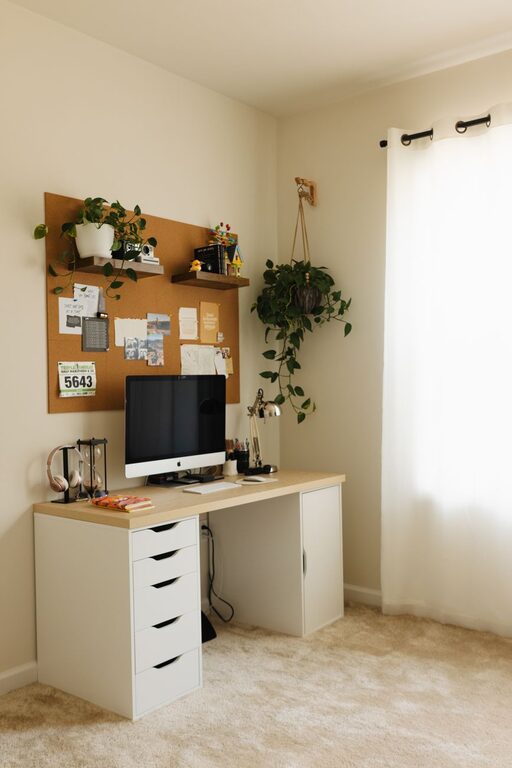
Creating a home office that feels both cozy and productive can greatly improve your work-from-home experience. Whether you’re a freelancer, remote employee, or running a small business, having a dedicated, well-designed workspace can help you stay focused and motivated. Here are some practical tips to transform your home office into a comfortable and efficient environment.
Choose the Right Location
Find a Quiet Spot
The first step is to pick a location that minimizes distractions. Ideally, the area should be quiet and separate from common living spaces. A spare bedroom, a corner in the living room, or even a nook can work well if it’s free from noise and interruptions.
Consider Natural Light
Natural light can improve mood and reduce eye strain. Position your desk near a window if possible, but avoid glare on your computer screen. A view of the outdoors can also make your workspace feel less confined.
Focus on Comfortable Furniture
Invest in a Good Chair
A comfortable, supportive chair is essential for long hours spent working. Look for one with adjustable height, lumbar support, and a seat cushion that suits your needs.
Choose an Appropriate Desk
Select a desk with enough surface area for your computer, notes, and other work essentials. Adjustable desks or standing desks are a good option as they allow you to change positions throughout the day.
Organize Your Space Effectively
Declutter Regularly
Keep your workspace tidy by removing unnecessary items. A clutter-free desk helps clear your mind and maintain focus.
Use Storage Solutions
Shelves, drawers, and organizers can help keep paperwork, stationery, and gadgets in order. Label storage containers for easy access to your supplies.
Cable Management
Use clips, ties, or cable boxes to manage cords and prevent tangling. A neat workspace minimizes distractions and reduces hazards.
Personalize Your Office Decor
Add Comfort with Textiles
Consider adding a soft rug, cushions, or curtains to make the space warmer and inviting. These elements provide visual interest and physical comfort.
Incorporate Artwork and Plants
Decorate with pieces that inspire you or make you happy. Plants improve air quality and add a touch of nature, which can boost overall well-being.
Choose Calming Colors
Soft, neutral wall colors like light blues, greens, or warm beiges can create a calm atmosphere. Avoid overly bright or harsh tones that might cause stress.
Set Up Adequate Lighting
Layer Your Lighting
Use a combination of ambient, task, and accent lighting. Overhead lights provide general illumination, while desk lamps focus light for reading or detailed work.
Avoid Harsh Lighting
Opt for warm-toned bulbs instead of bright white light to reduce eye strain and create a cozy environment.
Create a Routine and Boundaries
Set Office Hours
Define specific working hours to help separate work and personal time, and stick to them as much as possible.
Minimize Distractions
Inform family members about your work schedule and establish rules, such as no interruptions during certain hours.
Use Technology Wisely
Use apps for task management, time tracking, and communication to stay organized and connected without becoming overwhelmed by notifications.
Enhance Productivity with Sound
Use Background Music or White Noise
If silence is distracting, try playing soft music or white noise to improve concentration.
Soundproof Your Space
Use rugs, curtains, or foam panels to reduce noise from outside or other parts of the house.
Prioritize Ergonomics
Position Your Screen Properly
Your computer screen should be at eye level to prevent neck strain. Use monitor stands or adjustable arms if necessary.
Maintain Good Posture
Sit with your feet flat on the floor, knees at a 90-degree angle, and back supported by your chair.
Take Regular Breaks
Stand, stretch, and walk around every hour to reduce fatigue and improve circulation.
Keep Essentials Within Reach
Place frequently used items like pens, notebooks, and chargers within arm’s length to maintain workflow without interruptions.
Final Thoughts
Creating a home office that is both cozy and productive requires attention to comfort, organization, and personalization. Small adjustments can make a big difference in how you feel and work throughout the day. By investing time and thought into your workspace, you’ll foster an environment where you can focus, create, and thrive.