
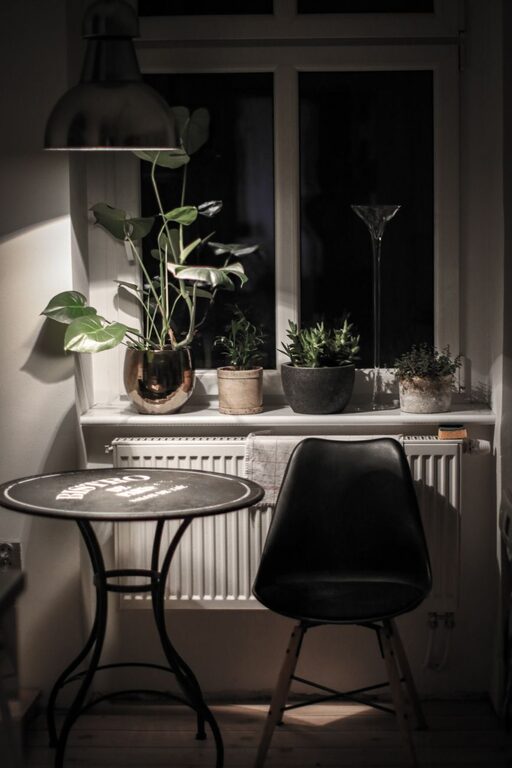
Creating a relaxing home environment is essential for unwinding, reducing stress, and enjoying your personal space. Whether you have a small apartment or a large house, a few thoughtful changes can make a big difference. In this post, we’ll explore simple, practical tips that anyone can apply to foster calmness and comfort at home.
Why a Relaxing Home Matters
Your home should be your sanctuary—a place where you feel safe, comfortable, and able to recharge. A chaotic or cluttered environment can increase feelings of stress and overwhelm, while a calm, inviting space promotes well-being and peacefulness. Let’s look at how to create that atmosphere, step by step.
1. Declutter and Organize
The Power of Tidiness
Clutter is one of the biggest distractions and stress triggers at home. Getting rid of unnecessary items and keeping your space organized can help your mind feel more at ease.
– Sort through belongings regularly. Donate, recycle, or toss what you no longer need.
– Use storage solutions like baskets, shelves, and bins to keep things tidy.
– Keep surfaces clear, especially in high-use areas such as the living room and kitchen.
2. Choose Soothing Colors
Color plays a significant role in setting the mood of your space. Soft, neutral, and muted tones can encourage relaxation.
– Opt for shades like soft blues, greens, beige, or gentle grays.
– Avoid overly bright or intense colors in spaces dedicated to rest, as they can be stimulating.
– You can incorporate color through paint, textiles like curtains or throw pillows, or decorative accents.
3. Bring Nature Inside
Natural elements connect us to the outdoors and have proven calming effects.
– Add some indoor plants—they improve air quality and add a touch of green.
– Use natural materials like wood, stone, or bamboo in furniture and decor.
– Open windows whenever possible for fresh air and natural light.
4. Create Cozy Zones
Having designated areas to relax promotes a sense of ease in your home.
– Set up a reading nook with a comfortable chair, soft blanket, and good lighting.
– Add cushions or a throw rug to make seating areas more inviting.
– Consider scented candles or essential oils with calming scents like lavender or chamomile to enhance the cozy feel.
5. Control Lighting
Lighting significantly influences the atmosphere of your rooms.
– Use warm, soft lighting instead of harsh fluorescent bulbs.
– Incorporate dimmable lights to adjust the brightness to your mood.
– Utilize natural light during the day by using sheer curtains.
6. Minimize Noise
Noise can be a major disturbance when trying to relax.
– Use rugs and curtains to absorb sound.
– Consider white noise machines or calming music playlists to mask background noise.
– Close windows or use weather stripping to reduce outside noise.
7. Keep Technology in Check
Technology often contributes to distraction and stress.
– Designate certain areas or times for unplugging devices.
– Store phones and laptops out of sight in the evening.
– Use screen time intentionally and avoid screens at least an hour before bedtime.
8. Personal Touches
Adding elements that reflect your personality makes your space feel comforting and genuine.
– Display photos or artwork that bring you joy.
– Include meaningful mementos like souvenirs or handmade items.
– Choose decor that inspires you rather than following trends blindly.
9. Maintain Cleanliness
A clean home feels more inviting and supports relaxation.
– Develop a simple cleaning routine to avoid overwhelm.
– Clean spaces regularly to prevent dust and dirt buildup.
– Use natural cleaning products to avoid harsh chemical smells.
10. Practice Mindful Decor Arrangements
The way furniture and items are placed affects flow and comfort.
– Arrange seating to encourage conversation and easy movement.
– Avoid overcrowding rooms with too much furniture.
– Keep walkways clear and focus on balance and harmony in spacing.
—
Creating a relaxing home environment doesn’t require a major renovation or expensive purchases. Small, consistent steps like decluttering, choosing calming colors, bringing in nature, and managing lighting can transform your space into a peaceful retreat. Remember that the ultimate goal is to make your home a place where you genuinely feel comfortable and calm.
Take your time experimenting with these tips, and enjoy the process of making your home a soothing sanctuary.