
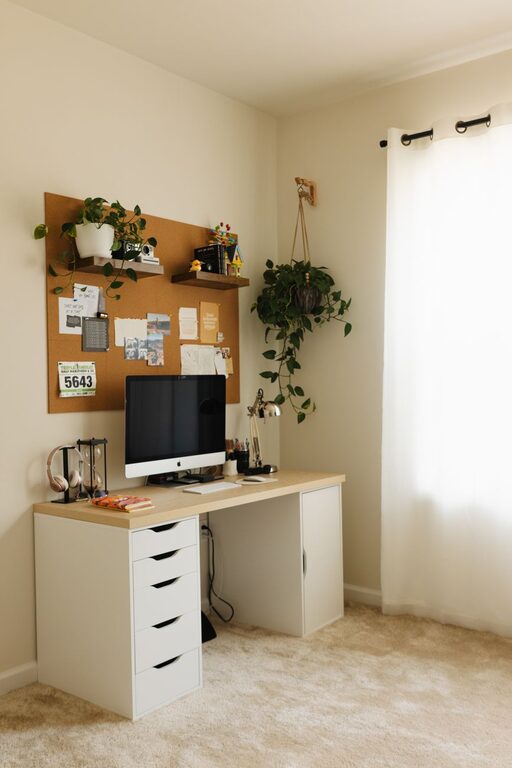
Creating a cozy and productive home office is essential for anyone working remotely or managing tasks from home. The right environment can inspire focus, reduce stress, and even boost creativity. Whether you have a dedicated room or just a small corner, there are practical ways to transform your space into a comfortable and efficient workstation.
In this guide, we’ll explore tips and ideas to help you design a home office that feels welcoming and helps you stay productive throughout the day.
1. Choose the Right Location
The first step is deciding where your home office will be. Ideally, select a quiet area away from heavy foot traffic and noise. Having a dedicated spot helps signal your brain that it’s time to work.
Consider these factors:
– Natural light: A spot near a window can improve mood and reduce eye strain.
– Privacy: Choose a place where you can focus without interruptions.
– Space: Make sure there’s enough room for your desk, chair, and any equipment you need.
If space is limited, even a corner of the living room or bedroom can be arranged thoughtfully to serve as your workspace.
2. Invest in Comfortable, Functional Furniture
Comfort is key when working long hours. A good chair and desk support your posture and prevent discomfort.
Desk Tips:
– Opt for a desk with enough surface area to hold your computer, notepad, and essentials without clutter.
– Consider adjustable desks that allow you to alternate between sitting and standing.
Chair Tips:
– Choose an ergonomic chair with adjustable height, good lumbar support, and comfortable padding.
– Test out different options if possible to find what works best for you.
3. Optimize Lighting
Proper lighting reduces eye strain and keeps you alert. Aim for a combination of natural and artificial lighting.
Lighting ideas:
– Position your desk facing or beside a window for soft natural light.
– Use adjustable desk lamps with warm light to avoid harsh glare.
– Consider overhead lights that provide even illumination.
Avoid working in the dark or relying solely on screen light, as it can tire your eyes.
4. Declutter and Organize Your Space
A tidy workspace helps clear your mind and makes it easier to focus.
Organization tips:
– Use drawer organizers or desk trays to keep supplies in order.
– Install shelves or cabinets to store books, files, and equipment.
– Keep only essentials on your desk; store everything else away.
Regularly cleaning and decluttering your office keeps it inviting and ready for work.
5. Personalize Your Workspace
Add elements that make your office feel like your own comfortable, inspiring spot.
Ideas for personalization:
– Add plants to bring life and improve air quality.
– Hang artwork or photos that motivate you.
– Use colorful or textured accessories like rugs, cushions, or curtains.
– Choose a color scheme that makes you feel calm or energized, depending on your preference.
Personal touches create a welcoming environment that supports your mood and creativity.
6. Incorporate Technology Wisely
Your tech setup can enhance productivity when selected thoughtfully.
Tech suggestions:
– Invest in a reliable computer and high-speed internet.
– Use noise-cancelling headphones if you need to block distractions.
– Consider a second monitor for multitasking.
– Organize cords with clips or sleeves to avoid tangles.
Make sure your workspace has enough power outlets for all devices.
7. Set Boundaries and Create Routines
The physical space is important, but so is how you use it.
Tips to maintain productivity:
– Set clear work hours and stick to them.
– Create a start-of-day ritual like making coffee or reviewing your to-do list.
– Take regular breaks away from your desk to refresh your mind.
– Communicate your work schedule to family or housemates to minimize interruptions.
A dedicated mindset combined with your cozy space can help you separate work from personal life.
8. Add Comfort Features
Small comfort touches can make a big difference.
Comfort boosters:
– Use a footrest to ease pressure on your legs.
– Keep a cozy blanket or sweater nearby for chilly days.
– Have a water bottle or herbal tea at your desk to stay hydrated.
– Use a diffuser with calming scents if you enjoy aromatherapy.
Comfort helps you sustain focus and keeps the workday pleasant.
—
Final Thoughts
Designing a cozy and productive home office doesn’t have to be complicated or expensive. By choosing the right location, investing in comfortable furniture, managing lighting, and personalizing the space, you create an environment where work feels less like a chore. Remember that organization and healthy habits are just as important for maintaining a balanced work-from-home routine.
Start small, make adjustments over time, and enjoy the process of creating a home office that helps you do your best work every day.