
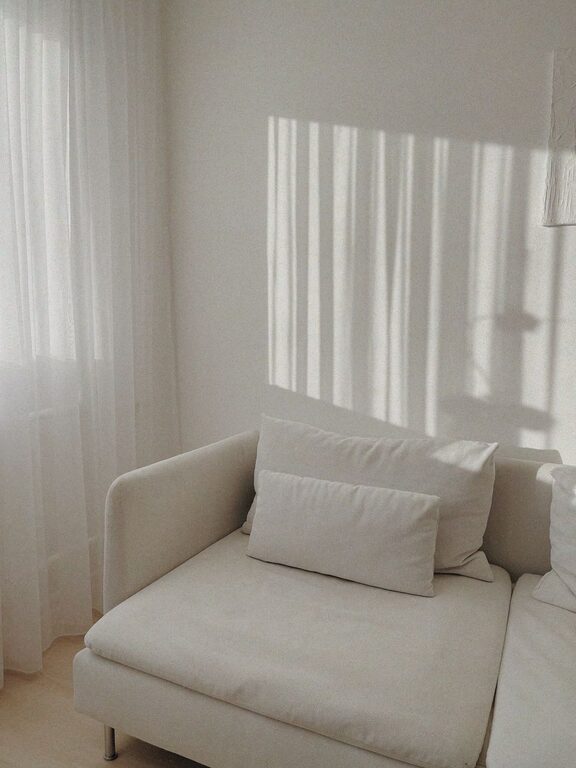
Creating a relaxing home environment is something many of us desire, especially in today’s fast-paced world. Your home should be a sanctuary where you can unwind, recharge, and feel comfortable. The good news is, achieving a soothing atmosphere doesn’t require extensive renovations or costly purchases. With a few simple decor changes, you can turn your living space into a calming retreat.
In this post, we’ll explore practical and easy ways to create a relaxing home environment using simple decor adjustments.
Why a Relaxing Home Environment Matters
Before diving into the tips, it’s helpful to understand why a calming space matters. A peaceful home can:
– Reduce stress and anxiety
– Improve sleep quality
– Boost mood and creativity
– Encourage mindfulness and rest
Your environment impacts your well-being, so taking small steps to improve it can make a big difference.
1. Choose Soft, Neutral Colors
Color plays a huge role in how we feel at home. Bright or harsh colors can feel stimulating or overwhelming, while softer shades tend to promote calmness.
Suggested Colors:
– Light blues and greens
– Warm neutrals like beige, soft grays, or taupe
– Pastel shades such as lavender or blush
Use these colors on walls, furniture, or accessories like throw pillows and curtains. If repainting isn’t an option, consider removable wall decals or new fabric accents.
2. Declutter and Simplify Your Space
Clutter can cause distraction and tension, making it hard to relax. Even a tidy room can feel chaotic if items don’t have a designated place.
Tips for Decluttering:
– Go through one area at a time (desk, bedside table, living room shelf)
– Donate or recycle things you no longer use
– Store items in boxes or baskets to keep surfaces clear
– Practice minimalism by keeping only essentials and sentimental pieces
A simplified space allows the mind to rest and promotes a more serene atmosphere.
3. Introduce Natural Elements
Nature has a calming effect, so bringing natural elements indoors can help create a peaceful vibe.
Ideas to Try:
– Add potted plants or small indoor trees like snake plants or peace lilies
– Use natural materials for decor, such as wood, stone, or woven baskets
– Display fresh flowers or dried botanicals in simple vases
– Place seashells, rocks, or pinecones on shelves or tables
Besides aesthetics, indoor plants have the added benefit of improving air quality.
4. Optimize Lighting for Comfort
Lighting sets the mood in any room. Harsh overhead lights can feel cold, while soft lighting creates warmth and coziness.
Lighting Tips:
– Use warm white or soft yellow bulbs rather than cool white
– Incorporate multiple light sources: table lamps, floor lamps, and candles
– Install dimmer switches to adjust brightness based on the time of day or activity
– Open curtains and blinds during daytime to welcome natural light
If possible, position seating areas near windows to enjoy both light and outdoor views.
5. Use Textures to Add Warmth and Interest
Texture adds depth and comfort to a room without overwhelming the senses.
Ways to Add Cozy Textures:
– Soft throws or blankets on sofas and chairs
– Plush area rugs or layered rugs for tactile warmth underfoot
– Cotton or linen curtains that move gently with the breeze
– Knitted or woven cushions and poufs
Mixing different textures creates visual interest and invites relaxation.
6. Incorporate Calming Scents
Scents can instantly influence your mood and perception of a space.
Fragrance Ideas:
– Essential oil diffusers with scents like lavender, chamomile, or eucalyptus
– Soy or beeswax candles with natural fragrances
– Fresh herbs in small pots, such as rosemary or mint
Be mindful not to overdo scents – mild and natural is best for maintaining a peaceful atmosphere.
7. Personalize Without Overcrowding
Your home should reflect who you are, but too many items can create visual clutter.
Smart Personalization Strategies:
– Display a few meaningful photos or artwork with simple frames
– Incorporate handmade or travel treasures in a dedicated spot
– Rotate personal decor so the environment feels fresh but not overwhelming
Choose items that make you smile or bring positive memories.
8. Designate a Relaxation Zone
If space allows, create a small nook or corner dedicated to relaxation.
How to Set Up Your Relaxation Zone:
– Add a comfy chair or floor cushion
– Include soft lighting, such as a reading lamp or string lights
– Keep a small table for tea, books, or meditation tools
– Keep this area clutter-free and calming
Having a go-to spot for quiet time reinforces healthy relaxation habits.
Final Thoughts
Transforming your home into a relaxing oasis doesn’t have to be complicated. Simple decor changes focusing on calming colors, decluttering, natural elements, lighting, textures, and personal touches can work wonders. Start small, notice what makes you feel peaceful, and gradually adjust your space to suit your needs.
Your home should be your sanctuary, and with these easy tips, you can enjoy a cozy, calm environment every day.